
Whether you’re running your first 5K or training for a new personal best, one thing is certain: your body needs the right fuel to perform. Yet, nutrition is often a last minute thought — yet very powerful — part of a training plan.
The truth is, no amount of training, speed sessions or long runs can outrun poor dietary habits. What you eat, how much you eat and especially when you eat, can make a huge difference in how you feel during training, what you gain from training, how you recover afterward, and how you perform on race day.
In this blog post, I’ll break down the basic nutrition principles every runner — recreational or elite — should know to run stronger, recover faster, and enjoy the kilometres ahead.
Why Nutrition Matters for Runners?
Running offers several health benefits, however it places significant physical demands and strain on your body. It has an impact on the heart, lungs, muscles, joints, temperature control and fuel demands of the body.
You need energy not just to get through your runs, but to adapt, rebuild, and get stronger afterward.
Good nutrition can help you:
- Manage these demands
- Maintain energy levels during training and races
- Speed up recovery between runs and workouts
- Reduce risk of injuries and illnesses
- Support long-term health and performance goals
However, ignoring your nutrition can lead to fatigue, inability to cope with training schedules and injuries.
The Building Blocks of a Runner’s Diet
Here’s a quick overview of what you should be paying attention to:
Carbohydrates
- Your body’s primary and preferred fuel during running.
- The fuel that helps you reach those high intensities!
- Found in grains, fruits, vegetables, dairy, and legumes (lentils, chickpeas, beans).
- Aim to include carbs in most meals and snacks, especially during heavy training periods.
Protein
- Essential for muscle repair, recovery, and overall health.
- Found in meat, fish, dairy, eggs, soy, and legumes.- Try to include a source of protein at each meal and after tough runs or gym sessions.
Fats
- Important for longer endurance efforts, for absorption of some vitamins and overall health (especially hormonal health).
- Focus on healthy fats like nuts and nut butters, seeds, avocado, olive oil, and fatty fish such as salmon.
Hydration
- Water is crucial, but so are electrolytes like sodium and potassium, especially during hot weather, long runs or for people who are salty sweaters.
- Hydrate consistently throughout the day, not just around runs.
- Electrolytes are important during recovery after long runs or races, to help the body retain fluid after heavy sweating.
Common Nutrition Mistakes Runners Make
Even the most experienced runners can fall into these traps:
- Skipping meals, especially if rushing to work after morning runs, or finishing training late in the evening. (Your body needs to refuel to recover!)
- Under-eating carbohydrates, especially if trying to change body composition or when training volume and/or intensity increases. This can lead to low energy availability and/or low carbohydrate availability, poor performance, and even hormonal imbalances.
- Over-relying on supplements instead of getting fuel and nutrients from real foods. You cannot replace a solid nutrition foundation. Supplements form the tip of the triangle of sports nutrition and can only marginally affect performance – but that’s a topic for another post!- Ignoring hydration until you feel thirsty (which is often too late). An individual hydration plan, based on sweat rate testing in different environmental conditions together with practice in training is key.
The good news? Small changes can lead to big improvements.
Quick Tips to Get Started
Here’s how to start improving your nutrition today:
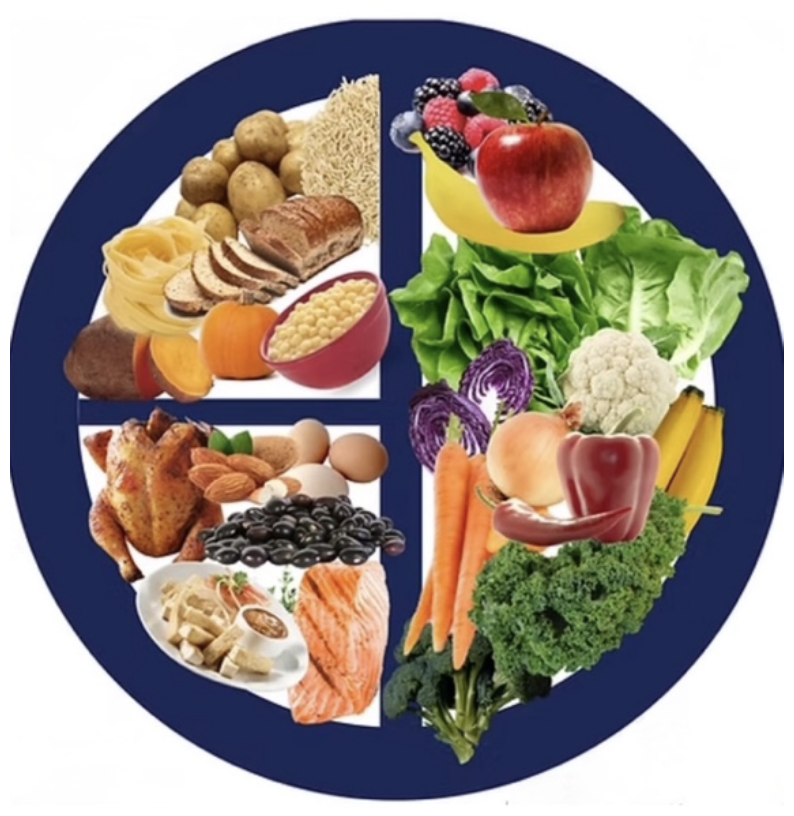
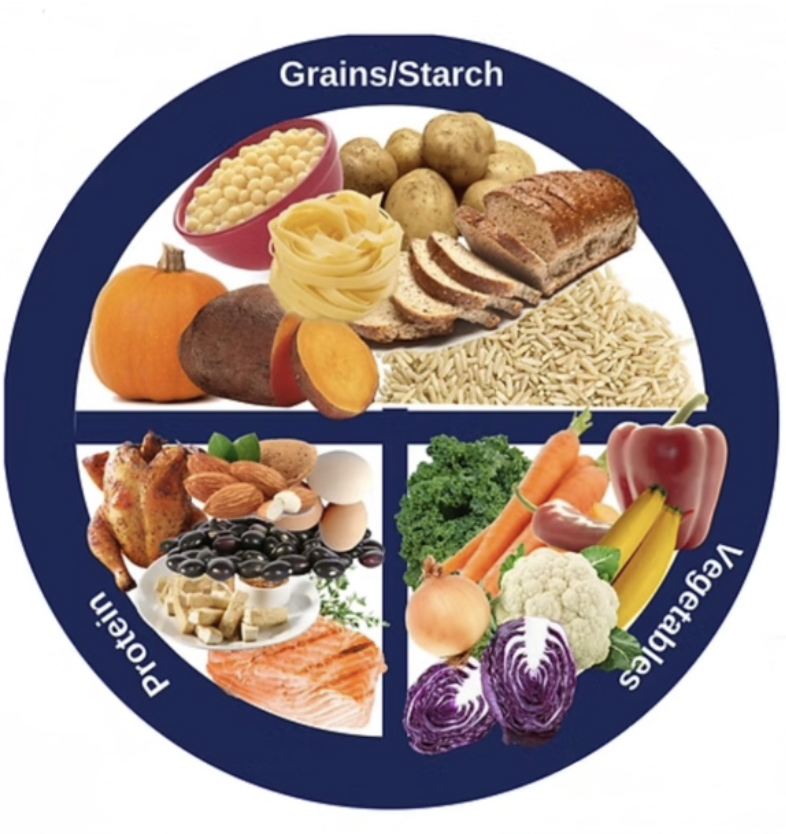
- Think in thirds: In easy training or rest days make your plate about ½ colourful vegetables/fruits, ¼ carbs and ¼ protein. But when training hard, your plate changes to about ½ carbs, ¼ protein and ¼ colourful vegetables/fruits.
- Plan around training: Eat a carb-rich snack 1–2 hours before a run and refuel with a mix of carbs and protein within an hour after finishing.
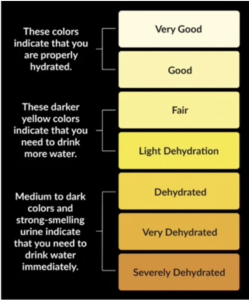
- Hydrate smart: Aim for clear-to-light-yellow urine throughout the day, and consider adding electrolytes if you’re sweating heavily.
Three Actionable Tips
- Eat a banana, toast or oats before your next long run.
- Include 20–40g of protein (and some carbs) within an hour after hard runs (such as Greek yogurt, a protein smoothie or eggs).
- Carry a water bottle with you throughout the day — hydration isn’t just a pre-run task!
Final Thoughts
Getting your nutrition right doesn’t have to be complicated — but it does have to be intentional.
A few small changes can make a huge difference in how you feel, perform, and recover.
Remember: every runner’s body is unique and what works for someone could be a disaster for someone else. Experiment, practice in training, listen to your body, and don’t be afraid to seek guidance as you build better habits.
Eat smart. Run strong. Fuel Your Sport Performance.
Stay tuned for another sport nutrition topic next month!

Written by Roberta Zarb Adami, Registered Dietitian and Nutritionist and IOC-certified Sport Nutrition specialist.
Helping runners and athletes — from committed amateurs to elite athletes — fuel smarter, perform better, and recover faster.
Learn more or get personalised advice at:
Facebook: Fuel Your Sport Performance
Instagram: Fuel Sport Performance


Leave a Reply